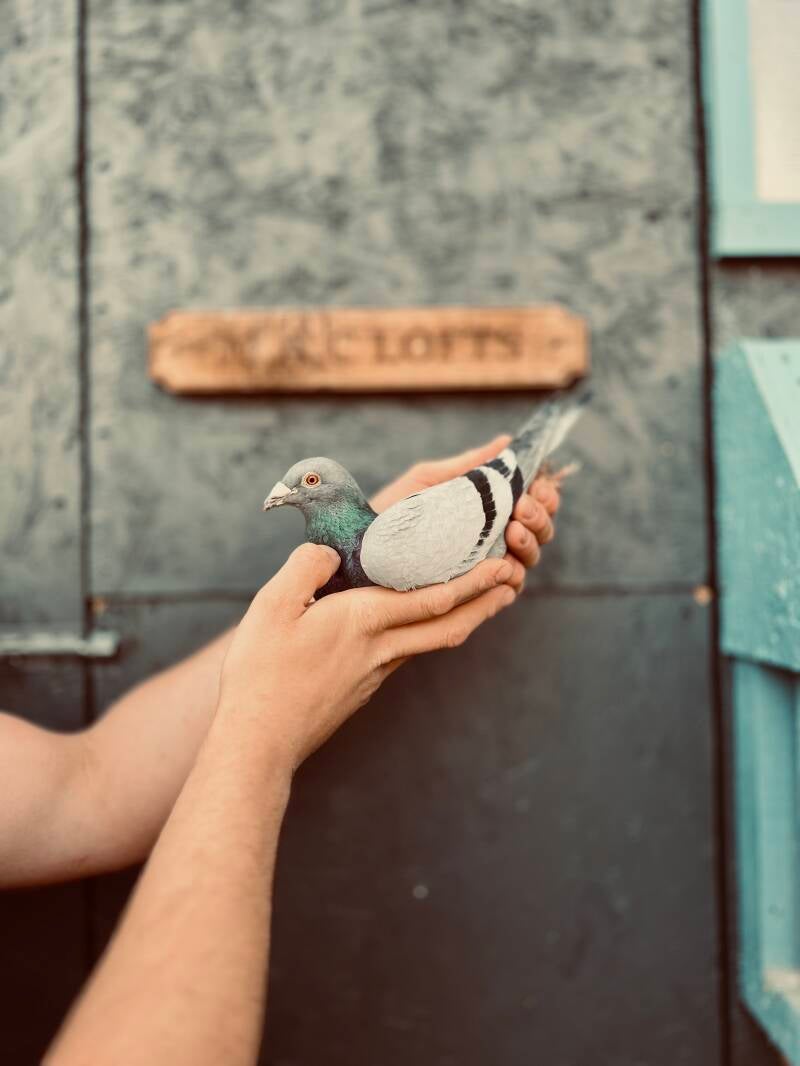
THE M.A.C. LOFTS APPROACH
A Practical System for Better Pigeon Loft Performance
Built from real UK racing experience, not theory. Our approach focuses on the fundamentals that matter most:
housing, routine, observation, training, health, feeding and calm management.
In competitive pigeon racing, success is rarely accidental. At M.A.C. Lofts, our system has been shaped in
the loft through daily work, honest observation and results at Club, Federation, Amalgamation and National level.
We do not present ourselves as vets or miracle-workers. We are working fanciers who believe that good pigeons
perform best when the basics are done properly and repeated consistently.
01
Housing Comes First
If the loft is not right, the birds will not be right. A good pigeon loft should be dry, clean, well ventilated
and easy to manage. It does not need gimmicks; it needs correct design, practical layout and disciplined upkeep.
Daily scraping, controlled airflow and sensible hygiene reduce disease pressure and help keep pigeons settled.
When the housing feels right, the fancier handles the team with more confidence — and that confidence matters.
02
Change What Is Not Working
Too many fanciers leave problems in place because “that is how it has always been done.” If the birds are
unsettled, slow to trap, flat in exercise or poor in recovery, the loft is giving feedback.
Perch layout, trapping, box spacing, light, ventilation and handling all affect performance. Small, well-judged
changes made at the right time can improve confidence, behaviour and form.
03
Start Small and Focus on Quality
More pigeons do not automatically produce better results. Large teams are harder to observe, harder to control
and easier to mismanage. A smaller, better-managed team often teaches the fancier more.
- Problems are spotted earlier.
- Individual behaviour becomes easier to read.
- Routine is easier to maintain.
- Overcrowding and stress are reduced.
We would rather see ten pigeons managed properly than forty managed poorly. Strong foundations come from
observation, consistency, cleanliness and control.
04
Routine Builds Form
Racing pigeons respond to structure. Feeding, exercise, cleaning and handling should happen in a way the birds
understand. Perfection is not the aim — repeatability is.
When pigeons know what to expect, they settle better, trap sharper and hold condition more consistently. The best
system is one the fancier can actually maintain.
05
Train for Reality, Then Allow Recovery
Training is education, not showing off. Birds need preparation for real racing: changing weather, pressure,
distance, decision-making and the discipline to come home.
Testing days can reveal character, but pressure must be balanced with recovery. Quiet lofts, comfort, rest and
simple feeding after effort are all part of building form.
06
Health Over Hype
Consistency beats complexity. Clean lofts, clean water, good feed and a small number of proven tools used properly
will outperform cupboards full of products used without a clear purpose.
Our philosophy is prevention over reaction. Good hygiene, sensible stocking levels and calm lofts reduce the need
for constant intervention.
07
Control Stress in the Loft
Stress quietly damages form. Overcrowding, poor ventilation, inconsistent handling, excessive disturbance and
over-training all place pressure on pigeons.
A calm pigeon is a sharper pigeon. Space, predictable handling, sensible rest and good loft conditions help birds
make better decisions in the sky.
08
Feed With Discipline and Control
Feed affects recovery, behaviour, trapping and race-day sharpness. We believe in good-quality mixes, controlled
quantities and timing that suits the system.
If budget is tight, reduce numbers before reducing feed quality. A smaller team on proper corn will usually
outperform a larger team on poor feed.
09
Keep the System Natural and Enjoyable
You do not need an overcomplicated system to compete. Calm lofts, settled pigeons, reliable housing and steady
routines can take a fancier a long way.
The birds must come first. Results matter, but the connection with the pigeons, the quiet work in the loft and
the satisfaction of seeing them return well are what keep the sport alive.
FINAL THOUGHT
The basics win when they are done properly.
There is no magic system and no secret bottle. There are principles — housing, observation, routine, training,
health, feeding and calm management — applied honestly day after day.
The M.A.C. Lofts approach is simple: build the right environment, listen to the birds and keep improving the
fundamentals. When that foundation is right, pigeons can focus on what they do best — finding their way home.